
the 12 learning nutrients
Frank A. Orski, M.D., Chairman of the Department of Pediatrics at John Hopkins University, states “Evidence continues to accumulate that nutrition can alter behavior,” and “Eating correctly can help to maximize intellectual potential.”
Would you like to improve your family’s long-term memory, physically fitness, concentration, language skills, computational ability, and abstract thinking? You can if you feed them the 12 nutrients essential for learning.
The “Eating for A’s” program (meaning Academic excellence, not a person’s blood type) resulted form 45 years of nutrition studies compiled by Alexander Schauss and Barbara Meyer. It was implemented with over 600,000 New York City students and was cited as a factor in producing one of the largest recorded gains in academic test scores in American educational history.
Whether your child is home educated, private or public schooled, it takes the same 12 learning nutrients to provide the body and brain with fuel to run efficiently.
Let’s take a look at each nutrient and how we can incorporate them into our daily diet. The foods listed under sources are chosen for their high concentrations of the mentioned nutrient. Animal, vegetable, and herbal sources are given. It is up to each family to determine if meat sources are wise choices for your family – please keep in mind that protein is required for proper brain function and that the body’s cells are primarily protein.
If meat is eaten, be sure it is of premium quality and used sparingly, with lots of raw vegetables and fruits in the diet. If you choose to be a vegetarian please research high-protein vegetables and grains to ensure adequate amounts are eaten. The RDA amounts are based on the needs of school-age children at approximately 100 pounds of body weight. More or less may be needed depending on the individual’s health condition and unique requirements.
1) Vitamin A – Beta-carotene RDA: 4,000 IU. Vitamin A helps the brain to manufacture protein and DNA. Vitamin A promotes tissue formation of the skin, eyes, nails, lungs, ears, and mouth. Persons deficient in vitamin A often have lowered friendly intestinal flora, which prohibits the conversion of carotene to vitamin A. Vitamin A is a fat-soluble nutrient that occurs in nature in two forms: preformed vitamin A and pro-vitamin or precursor vitamin A.
- Food Sources: red bell pepper, spinach, cantaloupe, apricots, carrots, beet greens, mangos, kale, butternut squash, papaya, eggs, milk, cheese, cream, butter, beef liver, fish liver oil, spirulina, barely grass, red raspberry leaf teas, stevia.
2) Vitamin B1 – Thiamine RDA: 3 mg. Thiamine helps the brain process energy from glucose and proteins. Helps transmit nervous-system signals throughout the body. Known as the ‘’morale’’ vitamin because of its relation to a healthy nervous system and its beneficial effect on mental attitude, thiamin is also linked with improving learning capacity and storing knowledge.
- Food Sources: Whole grains (germ and bran), buckwheat, oats, semolina, blackstrap molasses, brown rise, legumes, nutritional yeast, pistachio nuts, acorn squash, sesame seeds, spirulina, barely, alfalfa capsicum, red clover, papaya.
3) Vitamin B2 – riboflavin RDA: 1.7 mg. Riboflavin helps maintain the myelin sheath that coast the nerves and helps them conduct information; it assists in making energy available to the brain. Riboflavin helps create resistance to disease, helps in the cellular exchange on oxygen, and maintains clear skin and healthy hair.
- Food Sources: whole grains, oatmeal, quinoa, cornmeal, nutritional yeast, eggs, cottage cheese, pumpkin seeds, organ meats, spirulina, peppermint, barley grass, parsley.
4) Vitamin B3 – niacin RDA: 50 mg. Niacin assists the brain in producing chemicals and acids essential in the manufacture of protein. It is needed for healthy blood circulation and retards the accumulation of cholesterol. Niacin is also known as the ‘’happy vitamin,’’ as it can influence one’s personality.
- Food sources: brown rice, beets, peanuts, wheat germ.
5) Vitamin B6 – pyridoxine RDA: 5 mg. B6 also helps the brain produce chemicals and acids essential in the manufacture of protein. Signs of deficiency include dizziness, skin diseases, tremors, convulsions, fainting, and motion sickness. Vitamin B6 also influences hair color, growth, and texture.
- Food sources: chicken, fish, pork, beef liver, almonds, avocado, wheat germ, brown rise, garbanzo beans, beets, walnuts, chickpeas, garlic, banana, alfalfa, capsicum, kelp, red clover, papaya.
6) Vitamin B9 – folate RDA: 400 mcg. Folate helps the body produce RNA and DNA, both important in the formation of nucleic acid and the storage of recent-memory events. Anywhere from 45-90% of folic acid is destroyed by cooking. Vegetables stored at room temperature loose 70% of their folic acid within three days. Deficiency signs include anemia, fatigue, general weakness, and parasites.
- Food Sources: spinach, watercress, orange juice, pumpkin seeds, avocado, sprouted grains, eggs, navy beans, broccoli, toasted wheat germ, chick and turkey liver, peanuts, nutritional yeast, almonds, asparagus, green beans, alfalfa, kelp, red clover
7) Vitamin C RDA: 250 mg. Vitamin V helps the body use protein. It improves the absorption of certain forms of iron needed by the brain. Signs of iron deficiency include colds, general rundown condition, bruising, bleeding gums, shortness of breath, and apathy. Vitamin C is an antioxidant and aids in the formation of collagen. Vitamin C is called the ‘’master vitamin’’ as it is essential to overall bodily processes.
- Food Sources: acerola fruit, oranges, papaya, strawberries, broccoli, red bell peppers, tomato paste, parsley, aloe vera, yellow dock, barley grass
8) Iron RDA: 10 mg. Iron helps the body process nutrients vital for brain activity and helps process neurotransmitters and DNA. Vitamin C, B12, copper, and calcium are necessary for proper absorption and assimilation of iron. Deficiency signs include anemia, worry, listlessness, fatigue, dull hair, and inflamed mouth or tongue.
- Food Sources: beef liver, almonds, and cashews (although more than 10 almonds per day can actually pull iron from the body), raisins, clams spinach, rye flour, wheat germ, cream of wheat cereal, whole grains, chickweed, beets, horsetail, red raspberry
9) Magnesium RDA: 100 mg. Magnesium must be present in the body to activate enzyme reactions. It helps the brain to extract energy from nutrients. It is important to balance magnesium with calcium, as the work together. Heart muscles contract with calcium and relax with magnesium. Magnesium is required for over 200 enzymatic functions in the body and aids in balancing the acid/alkaline pH of the blood.
- Food sources: whole-grain products, wheat germ, almonds, black beans, lima beans, Irish moss, oatstraw, kelp, dulse, white pine.
10) Potassium RDA: 50 mg. Potassium is required or normal levels of brain neurotransmitters (chemicals that allow information to pass from one brain circuit to another). Known as the alkalizer, potassium works in conjunction with sodium. Potassium flushes waste from cells and balances body fluids.
- Food sources: apricot, avocado, cantaloupe, honeydew, kiwi, oranges, prunes, strawberries, potatoes, tomatoes, beans, lentils, raw green leafy vegetables, parsley, barley grass, sage, peppermint
11) Zinc RDA: 10 mg. Zinc is required in virtually every enzyme reaction in the brain. Zinc helps manufacture RNA, DNA, and proteins and helps provide energy from glucose and protein. Deficiency signs include white spots on fingernails, lack of energy, visual problems, slow healing, and blood sugar problems.
- Food sources: red meat, beef liver, crab meat, eggs, whole-grain products, sunflower seeds, peas, whole nuts.
12) Chromium RDA: 100 mg. Chromium is essential for glucose metabolism. The human brain is almost totally dependent on glucose for its fuel. Chromium permits insulin to cross cell membranes. It increases HDL, suppresses, hunger symptoms, and helps prevents diabetes. Chromium partially destroys sugar, but the body retains only about 3% of its intake of chromium, so a continual supply is needed.
- Food sources: red meat, whole-grain products, peanut butter, stevia, spirulina, nettle, red clover, oatstraw.
So how do you know that your child is getting the daily requirement of all the vitamins and minerals they need to stay healthy and achieve up to their potential?
A well balanced diet of quality protein (lean meats and fish), whole grains, raw fruits, and vegetables, seeds, and nuts is a great place to start to supply these nutrients. But if your foods are not organically grown, or are grown on depleted soils, they may be lacking proper amounts of these essential nutrients.
If you choose to supplement, your best choices will be “whole food” supplements and not cheap synthetic varieties. Depending on the diet of your child and his/her age, you will need to choose the type that fits your child. Start eating better today and see the difference ‘’whole food’’ can make in the health and well-being of your family.
Want to understand how real food and whole-food supplements can transform your family's health? Start with Nutrition 101—your go-to guide for building healthier habits from the inside out.
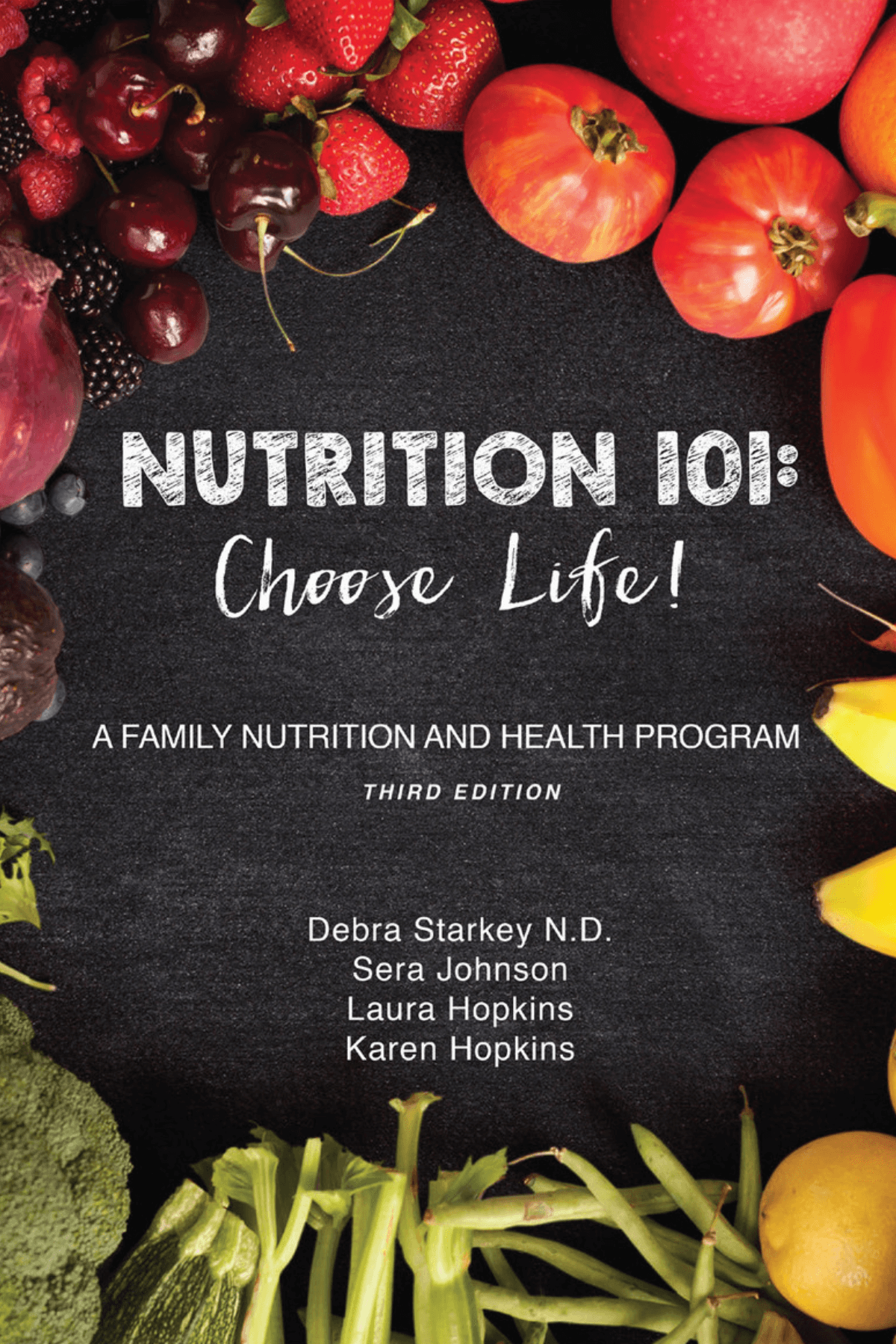
Nutrition 101: Choose Life!
This book was written for families looking to eat healthier. Arranged by body systems, 80 recipes, exhaustive reference section and comprehensive index, Nutrition 101: Choose Life! is a two time award winning book that takes the hassle out of teaching and learning nutrition.